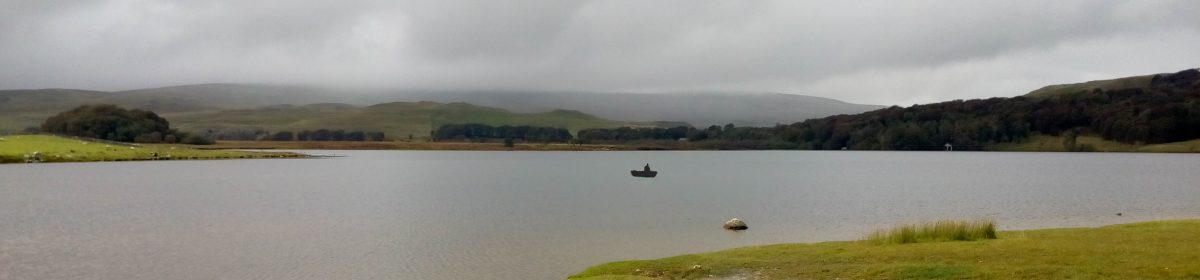
The Rivers Trust has just released its State of Our Rivers Report 2026. One longs to read something concrete in these reports, something new, the sense that progress is happening. We don’t usually get much of any. The report opens with a foreword by Robert Macfarlane, author of several wandering-through-nature books. Being a poetic sort, he reflects that rivers are ‘life-forces’ and ‘run through people’. He seems optimistic that the deterioration of watercourses can be reversed.
What optimism can we take from this report? Nothing that we don’t have already. It points out that certain pollutants, heavy metals, ammonia and acids, are now in lower concentration. Maybe this is due partly to remedial steps but I suspect it’s mainly a consequence of lost manufacturing industry. Otherwise not much has changed. Nitrates and assorted chemicals, including pharmaceuticals, are still present in dangerous amounts. We are told yet again that none of the nation’s rivers is in good overall health thanks to these, although some rivers make it into the good category for ecological health. As usual, the definition of ecological health is not referenced, although presumably derives from the EU WFD, which encompasses diversity and quantity of aquatic life. As ever, the question of data validity hangs over all these definitions.
Here the Rivers Trust says something obvious but new for them. Data on fish populations, aquatic flies and so on (mostly collected by citizen science) are sparse and no attempt at a national analysis has ever been undertaken. Whether there is enough data to make such a study worthwhile is questionable. The report suggests the data may offer too rosy a picture on some rivers, a conclusion implicit in the simplistic numerical methods of assessment. That at least is some progress.
The usual pollution culprits are listed — water companies that spill sewage into rivers in enormous quantity and abstract chalk streams to their limit and beyond; climate change bringing alternate drought and floods as well as intolerable heat; agriculture’s fertiliser and cattle slurry; modern industry, notably the datacentres, factories for AI slop and social media shite, that demand reservoirfuls of water to function.
More detail of the analyses frequently referred to throughout would be helpful, even just a link to more data. We get a few GIS graphs on which you can click to see some basic information, which is better than nothing. But I’m always left with the feeling these reports are a bit of publicity and a forlorn call to action. The report concludes with a list of what governments, businesses, landowners, journalists and the rest of us can do. These recommendations are all very well but the doing is always the sticking point. The Government is the big player here: without national action, regulation, control of the water companies and so on and so on, river and environmental decline in general will continue. But what appears to exercise politicians the most? The ‘cost of living crisis’ if you listen to them hot-airing on the TV. People’s main concern is to carry on consuming at the lowest possible cost — which got us into this mess in the first place.
The goal of business is to help us do that. Their PR departments brush the environmental fallout under a carpet of misdirection. A recent corporate phenomenon is to inveigle itself into environmental organisations — Thames Water, to use my favourite example, chucking a few quid at the Wild Trout Trust. I took a look at the Rivers Trust’s ‘corporate partners’. First on the list is Amazon Web Services, operator of hundreds of data centres worldwide, its big overall boss Jeff Bezos, climate change denier. Coca Cola also appears, the worst plastic polluter in the world. And Meta, 61 datacentres under construction, purveyor of content harmful to children.
No conflict there.

