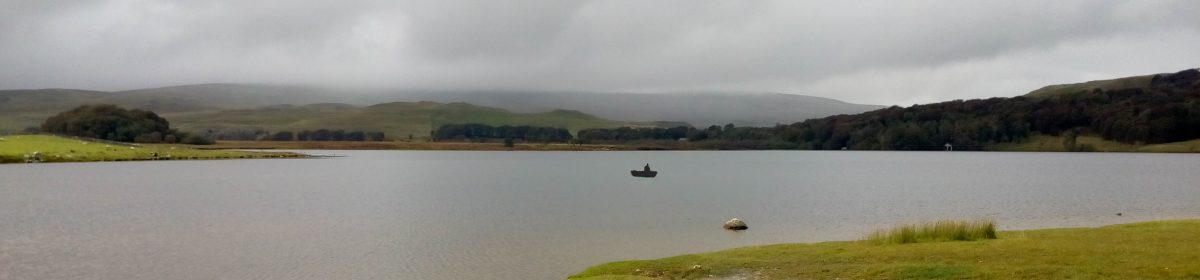
The surface of Redmire Pool has been ruffled again. Now restored (cleaned of silt and fenced against otters), anglers are once more camping on its banks determined to be historical carp fishermen — well, apart from the bolt rigs, hair rigs, boilies, etc. No longer, however, are handwritten letters exchanged between the Hereford enthusiasts; now communications are online in a style of rather lower literary merit. We can safely assume there will be no collections of the Redmire Facebook missives in years to come — “Deffo a brill weekend. Boz”.
The Redmire group on this particular online collector of private data has seen a few ructions since the opening of the season. It seems rather than glimpses of majestic old carp called the Bishop, etc, some immature and distinctly recent carp have been coming to the lines of the Redmire Fan Club, creating some unfavourable forum rumblings in choice language. Apparently the provenance of these carp has been questioned, their genetic purity doubted.
Nigel Hudson (quaint GSC nickname ‘Fennel’) has referred to this on his blog, while Redmire restorer Mark Walsingham (quaint GSC name ‘Skeff’) has been impelled by the criticism to defend his stockings on Facebook and other forums. Walsingham made great play of cleaning out the interloper carp and returning only the pure blood ‘Leneys’, the size of which were kept secret. Given that it is unlikely any of the old fish have survived the long years of decline, this is not such a great secret.
Walsingham decided to supplement the remains of the original stock with mirror carp of the same strain from elsewhere. So the protestations about genetic taint are misplaced, if it makes any sense to talk about pure breeds of carp (the originals from Poland may well have been selectively bred from yet earlier strains). And the average carp angler would hardly be in a position to judge the genetics of the carp they cradle for the camera.
All this furore illustrates what a nonsense the whole Redmire thing has become. Reading a few of the posts on Facebook shows how much bluster is aired in the lake’s name. Pontifications about genes and tradition, squabbles over the relative value of Simmos (an ugly neologism new to me) versus Leneys. It all seems so trivial and artificial. The futility of wishing oneself back to the days of Yates if not Walker is clear. But there is really no escape from the vulgarity of carp fishing modernity, as the image below shows. Looks like a logo for a death metal band. Walker will be spinning in his grave.

 The Secret Angler